
MENTAL HEALTH AMERICA OF THE MIDSOUTH
Stronger Together
Choice, Connection, and Community in Aging
Mental Health America of the Midsouth's Annual Older Adult Behavioral Health Conference
6 FREE CEs*
This event was made possible by:

Overview
Stronger Together: Choice, Connection, and Community in Aging is a one-day virtual conference that explores the real and often complex housing decisions facing older adults today. Designed for social workers, counselors, and healthcare professionals, this engaging program highlights critical issues across the housing continuum, including aging in place, discharge planning, and homelessness. Through compelling real-world examples and interdisciplinary perspectives, participants will gain practical strategies to navigate risk, balance autonomy and safety, and support older adults in achieving stable, dignified, and person-centered living environments.
#1 Understanding Housing Stability in Aging
Analyze the complex factors influencing housing stability for older adults—including health, financial, social, and systemic considerations—and their impact on mental health, safety, and overall quality of life.
#2 Ethical & Person-Centered Decision-Making
Apply ethical, person-centered, and interdisciplinary approaches to support informed decision-making around transitions, aging in place, discharge planning, and homelessness among older adult populations.
#3 Strategies for Collaborative Housing Solutions
Develop practical strategies and collaborative solutions that enhance stability, promote autonomy and dignity, and strengthen connections between healthcare, behavioral health, and community-based supports.
Our Continuing Education Sponsors
#ThankYou

Habitat for humanity of Greater Memphis
Senior Director of Research
Senior Director of Research
Chris Reeder Young, M.A.
Aging In Place
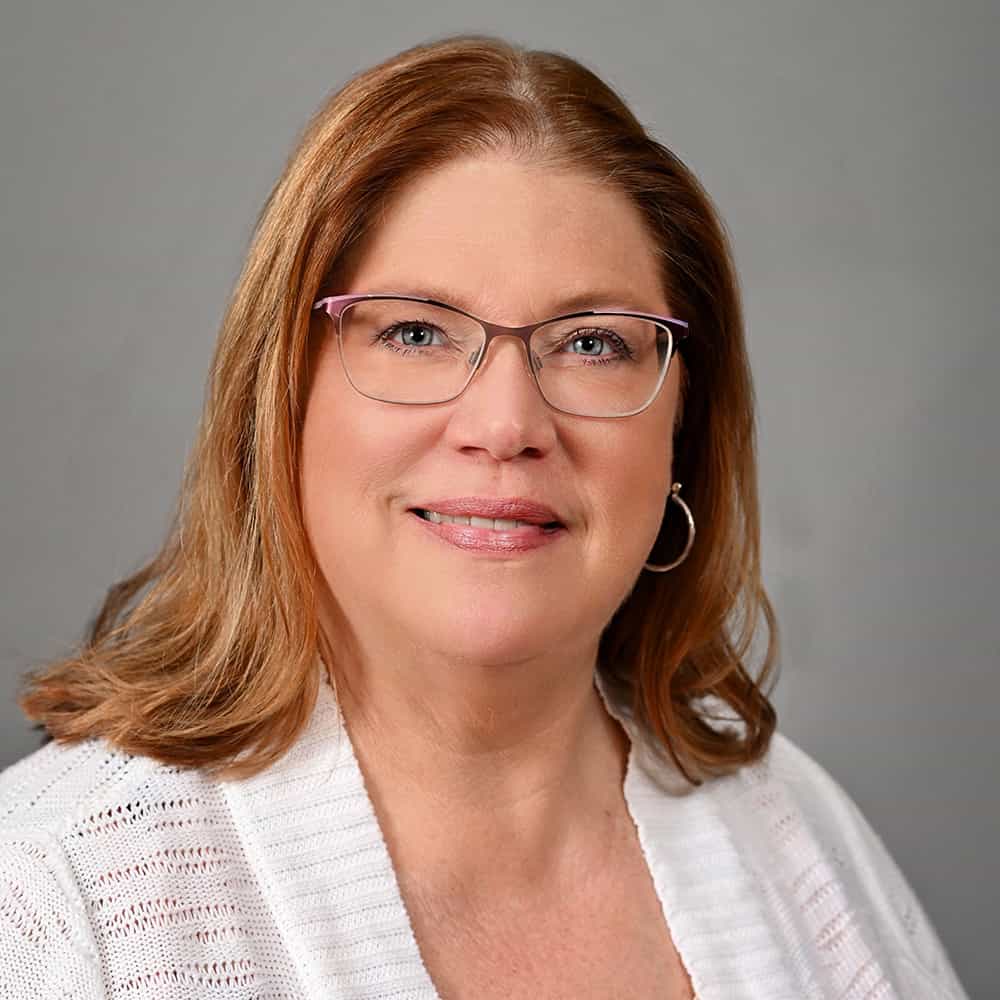
Mental health america of the midsouth
Caregiver Support Coordinator
Caregiver Support Coordinator
Lynn Wood, CDS
Then vs. Now: How Care Options Impact Older Adults and Caregivers
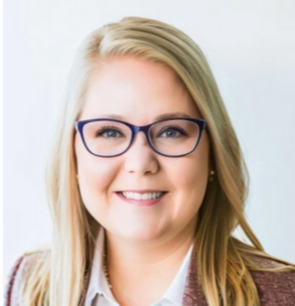
End-of-Life Doula
Katlyn Green Johnson, MA, MBA
Housing Transitions in Later Life: Ethics, Autonomy and Quality of Life
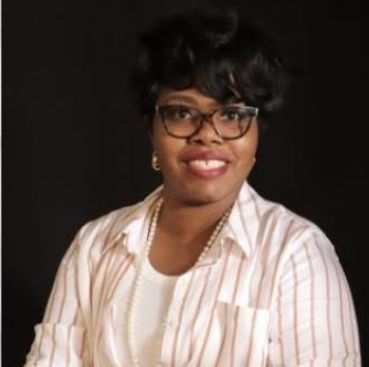
Your personal social worker, LLC
Social Worker
Social Worker
Tamara Johnson, LMSW
Discharge Planning in Skilled Nursing Facilities: Preventing Housing Instability and Unsafe Transitions for Older Adults
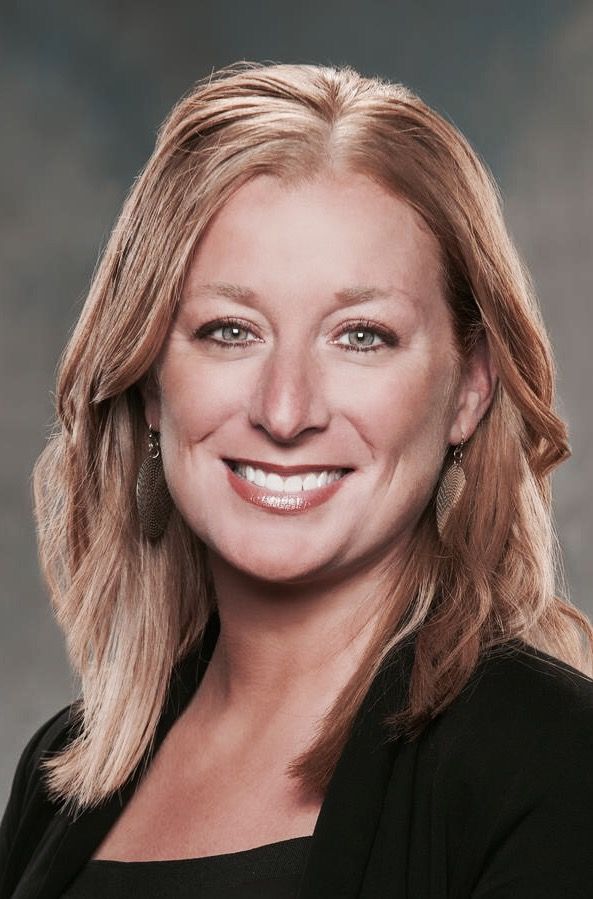
Tennessee Department of mental health and substance abuse services
Director of crisis services and suicide prevention
Director of crisis services and suicide prevention
Jennifer Armstrong, LPC-MHSP

People loving nashville
Outreach Specialist
Outreach Specialist